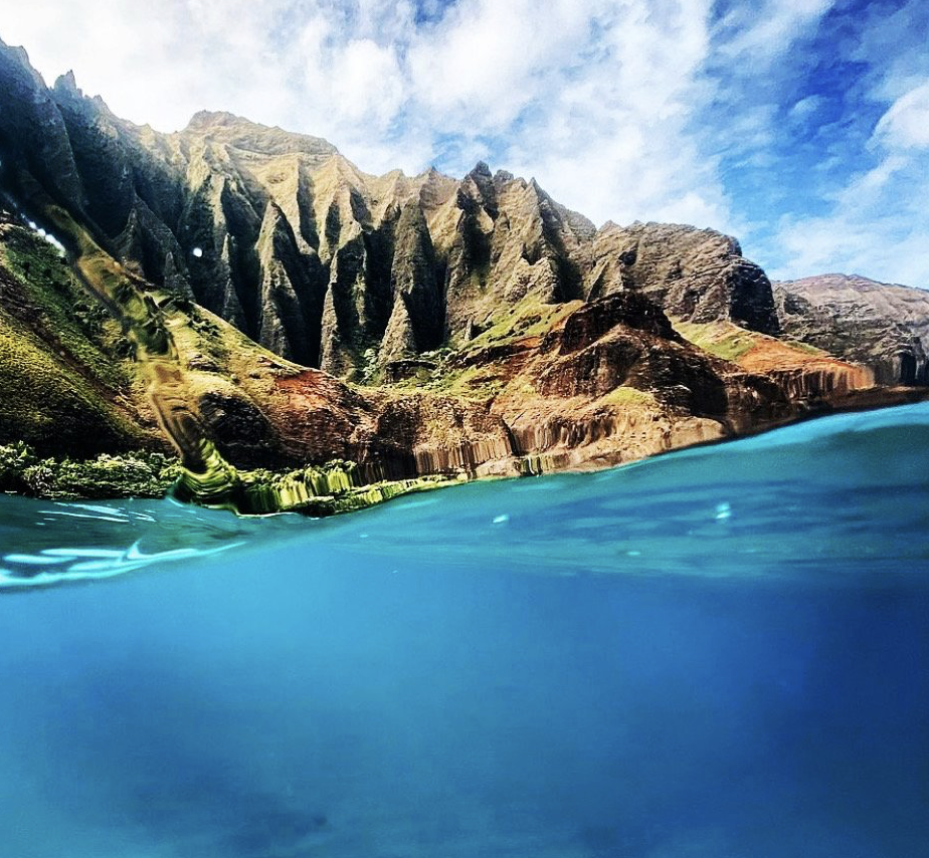
The Na Pali Coast stands as one of Hawaii's most spectacular natural wonders, featuring 17 miles of towering emerald cliffs, hidden beaches, and ancient Hawaiian valleys accessible only by helicopter, boat, or challenging hiking trails. This rugged coastline on Kauai's northwest shore showcases dramatic 4,000-foot sea cliffs, cascading waterfalls, and pristine beaches that have remained virtually unchanged for centuries. Whether you choose to explore by land, sea, or air, the Na Pali Coast offers an unforgettable journey through some of the most breathtaking scenery in the Hawaiian Islands.
The Legendary Kalalau Trail Experience
The Kalalau Trail represents the ultimate hiking adventure along the Na Pali Coast, stretching 11 miles from Ke'e Beach to Kalalau Beach through some of the most challenging and rewarding terrain in Hawaii. This ancient Hawaiian footpath winds along knife-edge ridges, through lush tropical valleys, and past towering waterfalls that plunge directly into the Pacific Ocean.
Hanakapiai Beach and Falls
The first four miles of the Kalalau Trail lead to Hanakapiai Beach, a stunning white sand beach surrounded by towering cliffs and accessible only on foot. This section of the trail offers moderate difficulty and can be completed as a day hike, though the terrain includes narrow ledges, stream crossings, and steep sections that require proper footwear and caution. From Hanakapiai Beach, adventurous hikers can continue another two miles inland to reach Hanakapiai Falls, a magnificent 300-foot waterfall that cascades into a deep swimming pool surrounded by tropical vegetation.
Advanced Sections to Kalalau Valley
The remaining seven miles of the Kalalau Trail from Hanakapiai to Kalalau Beach present significantly more challenging terrain, requiring overnight camping permits and extensive preparation. This section traverses Hanakoa Valley, where ancient Hawaiian agricultural terraces remain visible among the tropical foliage, and continues through some of the most remote and pristine wilderness areas in Hawaii. The trail culminates at Kalalau Beach, a two-mile stretch of golden sand backed by a lush valley that once supported a thriving Hawaiian community.
Na Pali Coast Boat Tours and Ocean Adventures
Experiencing the Na Pali Coast from the ocean provides a completely different perspective on this magnificent coastline, revealing sea caves, arches, and beaches that remain hidden from land-based viewpoints. Professional boat tours offer the safest and most comprehensive way to explore the coastline's marine environment while learning about its geological formation and cultural significance.
Catamaran and Zodiac Expeditions
Various types of vessels offer Na Pali Coast tours, from large stable catamarans perfect for families to smaller rigid inflatable boats that can access shallow waters and sea caves. These tours typically depart from Port Allen or Hanalei Bay, depending on seasonal conditions and tour operators. Most expeditions include opportunities for snorkeling at pristine reefs, dolphin and whale watching during migration seasons, and close-up views of the coastline's most dramatic features including Honopu Beach and the famous "Cathedral" sea caves.
Komohana Charters Premium Experience
Komohana Charters stands out among Na Pali Coast boat tour operators, offering intimate small-group experiences aboard well-maintained vessels with knowledgeable local captains who share Hawaiian cultural stories and geological insights. Their tours provide excellent opportunities to spot Hawaiian green sea turtles, tropical fish, and seasonal marine life while exploring sea caves and hidden beaches along the coastline. Komohana Charters emphasizes safety, environmental stewardship, and authentic Hawaiian hospitality, ensuring guests receive an educational and memorable Na Pali Coast adventure.
Helicopter Tours Over the Na Pali Coast
Aerial tours provide the most comprehensive views of the Na Pali Coast, revealing the full scope of its dramatic topography including inland valleys, waterfalls, and geological formations invisible from ground level. Professional helicopter operators use specially designed aircraft with large windows and experienced pilots who navigate the coastline's unique weather patterns and wind conditions.
Valley and Waterfall Views
From the air, visitors can appreciate the massive scale of valleys like Kalalau, Honopu, and Awaawapuhi, each carved by millions of years of erosion and supporting unique ecosystems. Helicopter tours reveal dozens of waterfalls that cascade from the interior mountains to the sea, many of which remain completely inaccessible by land or sea. The aerial perspective also showcases the coastline's geological layers, revealing how volcanic activity and weathering created the current landscape over millions of years.
Photography Opportunities
Helicopter tours offer unparalleled photography opportunities, with pilots positioning aircraft for optimal views of famous landmarks like the Honopu Arch and Cathedral Point. Professional photography tours may include doors-off flights for unobstructed shots, though standard tours with closed doors still provide excellent views through large panoramic windows. The changing light conditions throughout the day create different moods and colors along the coastline, making sunrise and sunset flights particularly spectacular for photography enthusiasts.
Hidden Beaches and Secret Locations
The Na Pali Coast harbors numerous secluded beaches and hidden valleys that few visitors ever see, accessible only through specialized tours or challenging adventures. These pristine locations offer glimpses into Hawaii's ancient past and provide refuge for native plants and animals.
Honopu Beach and Valley
Honopu Beach, often called "Cathedral Beach," features a dramatic natural arch and pristine white sand accessible only by swimming from boats anchored offshore. This sacred Hawaiian site served as a filming location for numerous movies and remains one of the most photographed beaches in Hawaii despite its remote location. The adjacent Honopu Valley contains archaeological sites and rare native plants, though landing on the beach is prohibited to protect its fragile ecosystem and cultural significance.
Milolii and Nualolo Kai
These ancient Hawaiian fishing villages along the Na Pali Coast offer glimpses into traditional Polynesian life, with stone platforms, terraces, and house foundations still visible among the vegetation. Archaeological evidence suggests these sites supported Hawaiian communities for over 1,000 years before Western contact. Access requires boat tours or extremely challenging overland hikes, making these locations some of the most remote and pristine archaeological sites in Hawaii.
Best Times and Seasons for Na Pali Coast Exploration
Understanding seasonal weather patterns and ocean conditions significantly impacts the quality and safety of Na Pali Coast adventures. Different times of year offer unique advantages and challenges for various types of exploration.
Summer Season Advantages
The summer months from May through September typically offer calmer ocean conditions, making boat tours more comfortable and accessible. Trade winds during this period often clear away morning clouds, providing better visibility for helicopter tours and hiking. Summer also brings longer daylight hours, allowing more time for extended adventures and photography. However, summer represents peak tourist season, requiring advance reservations for tours and camping permits.
Winter Considerations
Winter months from October through April bring larger ocean swells that can cancel boat tours but create dramatic surf and more spectacular waterfall flows from increased rainfall. Helicopter tours may experience more weather delays, but the increased water flow creates more impressive waterfalls and lush vegetation. Winter also offers better opportunities to spot humpback whales during their annual migration to Hawaiian waters, adding another dimension to ocean-based adventures.
Safety Considerations and Preparation
The Na Pali Coast's remote location and challenging conditions require careful preparation and respect for natural hazards. Understanding potential dangers and proper preparation can mean the difference between an incredible adventure and a dangerous situation.
Ocean Safety and Conditions
The waters along the Na Pali Coast can be extremely dangerous, with powerful currents, large swells, and rocky shorelines that have claimed numerous lives over the years. Even experienced swimmers should never attempt to reach beaches like Honopu without proper boat support and local knowledge. Ocean conditions can change rapidly, making previously calm areas dangerous within minutes. Professional tour operators provide safety equipment and guidance, but independent adventurers must carefully assess conditions and their own abilities.
Hiking Preparation and Gear
Kalalau Trail hiking requires proper preparation including sturdy hiking boots, plenty of water, sun protection, and emergency supplies. The trail's narrow ledges and loose rock sections demand careful attention and appropriate footwear. Weather can change quickly from sunny to torrential rain, making sections of the trail slippery and dangerous. Hikers should inform others of their plans, carry emergency communication devices when possible, and turn back if conditions deteriorate.
Conclusion: Exploring the Na Pali Coast in Kauai offers access to one of Hawaii's most pristine and dramatic natural environments, where ancient Hawaiian culture meets spectacular geological formations along 17 miles of rugged coastline. Whether you choose to hike the legendary Kalalau Trail, join a boat tour with operators like Komohana Charters, or take a helicopter flight over hidden valleys and waterfalls, each approach reveals different aspects of this remarkable landscape. The Na Pali Coast demands respect, preparation, and appreciation for its cultural significance and natural power, but rewards visitors with memories of one of the most beautiful and untouched places on Earth. This extraordinary coastline continues to inspire adventure seekers, nature photographers, and cultural enthusiasts who seek authentic connections with Hawaii's magnificent wilderness heritage.
Na Pali Coast FAQs
Can you drive to the Na Pali Coast?
You cannot drive to the Na Pali Coast as there are no roads that access this remote coastline directly. The only ways to experience the Na Pali Coast are by hiking the Kalalau Trail from Ke'e Beach, taking boat tours from Port Allen or Hanalei Bay, or viewing it from helicopter tours.
How long does it take to hike the entire Kalalau Trail?
Hiking the entire 11-mile Kalalau Trail typically takes 6-8 hours one way for experienced hikers, though most people take longer due to the challenging terrain and frequent stops for photos. The full 22-mile round trip requires overnight camping at Kalalau Beach, as completing it in one day is extremely difficult and not recommended for safety reasons.
What is the best time of year to visit Na Pali Coast?
The best time to visit Na Pali Coast is during summer months (May-September) when ocean conditions are typically calmer for boat tours and weather is more predictable for hiking and helicopter tours. However, winter months offer spectacular waterfall flows and whale watching opportunities, though ocean tours may be cancelled due to rough seas.
Do you need permits to hike the Kalalau Trail?
You need permits to hike beyond Hanakapiai Beach on the Kalalau Trail, and camping permits are required for overnight stays at Kalalau Beach. Day hiking to Hanakapiai Beach (first 2 miles) does not require permits, but parking at Ke'e Beach requires advance reservations through Hawaii's state park system.
Are there dangerous animals or plants along Na Pali Coast?
The main dangers along Na Pali Coast come from the terrain and ocean conditions rather than dangerous animals, though hikers should watch for wild goats on cliffs and avoid touching unfamiliar plants. Some native plants can cause skin irritation, and the ocean presents the greatest hazards through strong currents, large waves, and rocky shorelines that require extreme caution.